Townhouses are winning because they fix a very Melbourne problem: people want to live close in, but they’re done with shoebox apartments and they’re priced out of freestanding houses.
That’s the core of it. Everything else—heritage facades, slick kitchens, “community vibes”—is the supporting cast.
The new middle ground: not a house, not a unit
Melbourne’s inner and middle-ring suburbs are full of contradictions. Streetscapes you want to preserve. Transport corridors you want to intensify. Buyers who want space but don’t want a weekend swallowed by gutters, fences, and lawns.
Townhouses sit neatly in that tension. They’re denser than detached housing, but still feel domestic in a way many apartment buildings don’t. You get a front door to the street (psychologically underrated), often a small courtyard, and usually more storage than anyone expects.
And yes, the architecture matters. A lot of Melbourne townhouse stock leans into the city’s heritage language—brick, parapets, ironwork cues—then hides the modern stuff inside: slab stone benches, bigger glazing, better thermal performance, and floorplans that actually respect how people live now. If you’re comparing new townhouse builders in Melbourne, it’s worth looking for that balance between streetscape sensitivity and genuinely modern livability.
One-line truth:
Townhouses are the compromise people don’t hate.
A quick stat (because vibes aren’t evidence)
Melbourne’s household size has been trending down over the long run, which nudges demand toward smaller, well-located dwellings rather than large suburban homes. The Australian Bureau of Statistics reports the average household size has declined over decades and sits around the mid-2s nationally (with similar patterns in major cities). Source: ABS, Household and Family Projections, Australia (various releases): https://www.abs.gov.au
Now, this won’t apply to everyone, but when households shrink and land gets expensive, “medium density done well” starts looking like the grown-up option.
What people actually like about townhouses (not the brochure version)
Look, the marketing copy always says “luxury” and “lifestyle.” In practice, the appeal is more specific—and more practical.
– More usable space per dollar than many inner-ring apartments, especially once you compare storage, parking, and outdoor access.
– Less maintenance than a standalone home (no big garden, fewer external surfaces), without giving up that “home” feeling.
– Better separation of zones: bedrooms away from living, sometimes even a study nook that isn’t the dining table.
– A sense of privacy that apartments can struggle with—fewer shared walls, fewer strangers in lifts, fewer body corporate dramas.
– Locations that make daily life easier: schools, parks, tram lines, cafes, and supermarkets tend to be close because townhouses cluster where amenities already exist.
I’ve seen buyers walk into a well-designed townhouse and visibly relax. They stop “touring” and start imagining their routines.
The community thing is real (but it depends)
Townhouse living often produces a soft, low-effort kind of social connection. Not forced. Not dorm-like. Just… present.
You share a driveway. You see the same faces while putting bins out. You end up nodding at someone often enough that a nod becomes a chat. Then the chat becomes “we’re doing a sausage sizzle this weekend if you’re around.”
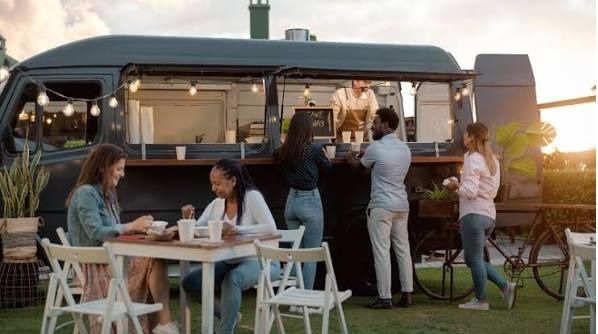
Neighbourhood traditions matter more than people admit. Seasonal street parties, local school fundraisers, weekend markets. Townhouse residents tend to be close enough to bump into it all, and not so transient that nobody commits.
That said (and I mean this), community can vanish if the design is wrong. If the development feels like a fortress of garages and blank walls, residents behave accordingly. Good townhouse projects give you “eyes on the street,” small thresholds, and shared spaces that aren’t awkward.
Townhouse vs apartment: cheaper isn’t always cheaper
Here’s the thing: apartments often win on entry price, and townhouses often win on overall livability per dollar.
If you’re comparing affordability, you can’t just compare listing prices. You need to look at:
– Ongoing fees (owners corporation/body corporate vs. minimal shared costs)
– Parking (included? stacker? on-title? none?)
– Storage (real storage, not “a cage”)
– Heating/cooling efficiency (old apartments can be brutal)
– Resale buyer pool (some layouts are harder to resell than people think)
Apartments can be great—especially well-built ones in smaller buildings. But if you’re paying premium money for an apartment with thin walls, no storage, and a balcony you never use because it’s windy and overlooked… that “affordable” decision gets expensive in quality-of-life terms.
Busy professional logic: the low-maintenance argument
Some people buy townhouses for romance. Most buy them for sanity.
Minimal garden. No big external envelope to manage. Fewer surprise repairs than a freestanding weatherboard. You get home, shut the door, and your weekend stays yours.
And in Melbourne, where older housing stock is charming but maintenance-hungry, that tradeoff is huge. A townhouse that blends heritage references with modern construction (better waterproofing details, improved insulation, double glazing) can feel like cheating.
I’m opinionated on this: if you’re time-poor, a townhouse is often the smartest form of “house-like” living you can buy.
Amenities: not just marble and matte-black taps
Yes, modern townhouses are getting nicer inside. Open-plan kitchen/living zones, walk-in pantries, proper laundry rooms, and bathrooms that don’t feel like afterthoughts.
But the real shift is systems, not surfaces:
Smart locks and cameras. Zoning for heating/cooling. Induction-ready electrical capacity. EV-charging provision in better builds. Water tanks in some developments. Acoustic upgrades where the builder knows what they’re doing (and you can tell when they don’t).
Some projects also add shared extras—rooftop gardens, small gyms, even co-working rooms. Those can be genuinely useful or totally pointless depending on how they’re managed. I’ve seen both.
Where townhouses work best in Melbourne (and why)
You’ll see strong townhouse demand in suburbs that offer one of these mixes:
– Walkability + character (think inner north and inner east pockets)
– Transport + schools (middle-ring family magnets)
– Old industrial land turning residential (gentrifying corridors with new stock)
Established favourites like Richmond, Fitzroy, Kew, and South Yarra stay popular because they combine amenity with identity. But the interesting energy is also in places like Footscray and Kensington, where you get cultural gravity, strong food scenes, and improving public realm—plus housing that’s still (sometimes) less punishing than the bluest blue-chip suburbs.
Quick aside: if you’re buying in an “up-and-coming” area, spend time there at night, on a weekday, in winter. You learn more in two cold evenings than in ten sunny Saturday inspections.
Sustainability: townhouses can be quietly excellent
Townhouses aren’t automatically sustainable, but they’re well-positioned for it. Shared walls reduce heat loss. Smaller footprints mean less energy demand. And new builds can integrate upgrades that older houses struggle with.
Energy efficiency (the practical bits)
Double glazing, upgraded insulation, tight building envelopes, efficient heat pumps, and solar PV—these can materially drop running costs. Add smart controls and you stop heating empty rooms (which, honestly, is half the battle).
Materials
Better developments are shifting toward lower-VOC finishes, recycled content products, and responsibly sourced timbers. Some are using reclaimed brick or recycled aggregates too. The greenest material is often the one you don’t replace every ten years, so durability matters more than trendy labels.
Urban gardening (small but meaningful)
Courtyards and rooftops can support herbs, citrus in pots, and even vertical gardens. Pair that with local composting—formal or informal—and townhouse living can nudge people into habits that apartments rarely encourage.
Family-friendly? Surprisingly, yes
Townhouses can be excellent for families because they deliver what parents actually need: separation, storage, and proximity.
Bedrooms upstairs, living downstairs. A second bathroom that prevents morning chaos. A courtyard that’s secure enough for small kids. Nearby parks because townhouse-heavy areas are usually already serviced by established public space.
And the underrated part: kids learn neighbourhood independence sooner when the urban fabric is walkable. That matters.
So what’s next for townhouse living in Melbourne?
More medium density. More pressure on design quality. More buyers asking sharper questions about build specs, energy ratings, and noise performance.
I also expect the best townhouse projects to lean harder into “context”—keeping the streetscape legible while making the interiors genuinely modern. The worst ones will keep pumping out garage-dominant facades and pretend that a stone benchtop equals good architecture.
Townhouses aren’t a fad. They’re Melbourne adapting in real time—one narrow lot, one courtyard, one shared wall at a time.